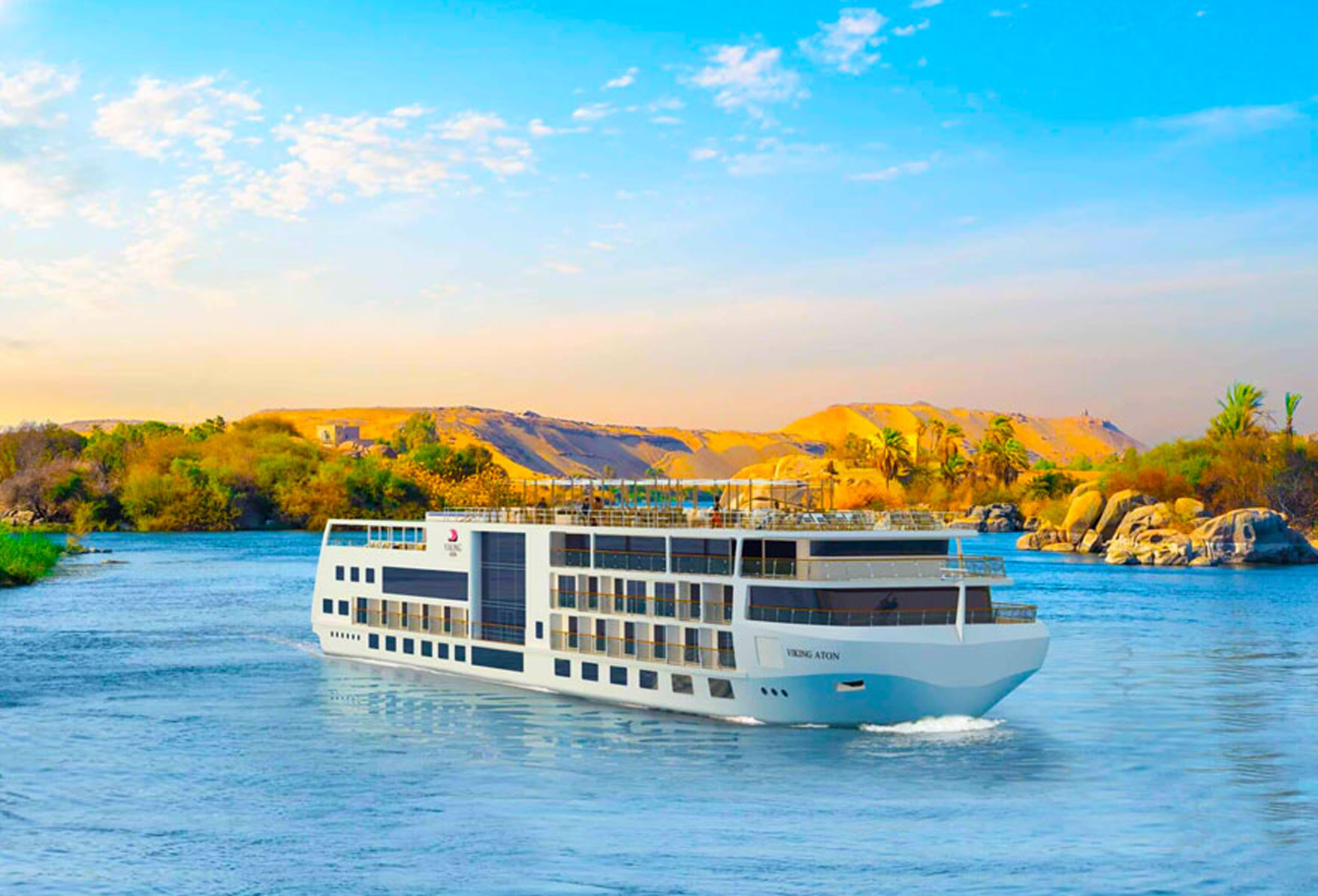
Travelling to Egypt offers a distinct opportunity to see ancient history from a fresh vantage point. Booking a Nile cruise Egypt allows you to trace the exact route pharaohs used thousands of years ago. The river served as the lifeblood of this ancient civilisation, providing transport, sustenance, and agricultural vitality.
By reading this guide, you will gain practical insights into selecting the right vessel, understanding the major historical stops, and preparing for the local climate. This knowledge will help you make informed decisions before you arrive in North Africa.
The Historical Splendour Along the Riverbank
Most river itineraries span the stretch between Luxor and Aswan. This region acts as an open-air museum, containing some of the most significant archaeological sites on the planet. Your journey typically begins in Luxor, where the sprawling Karnak Temple complex demonstrates the architectural prowess of successive pharaohs. Across the water, the Valley of the Kings holds the rock-cut tombs of ancient rulers, including Tutankhamun.
As the boat moves south, you will stop at the Temple of Horus at Edfu. Preserved beneath desert sand for centuries, it stands today as one of the most intact ancient structures in Egypt. Further upstream, the Temple of Kom Ombo demands attention. Dedicated to two deities, the crocodile god Sobek and the falcon god Haroeris, this symmetrical structure highlights the dualistic nature of ancient Egyptian religion. Seeing these monuments from the deck of a ship provides a spatial understanding of how ancient communities gathered around the water.
Cultural Immersion and Local Experiences
Life alongside the riverbank remains vibrant and deeply traditional. You will see farmers tending sugarcane fields and fishermen casting nets from small wooden feluccas. Stepping off the ship gives you a chance to wander through local souks. These markets overflow with spices, textiles, and handcrafted goods.
Engaging with local merchants requires a bit of good-natured bargaining, which is an expected cultural practice. You will also experience Egyptian hospitality through the regional cuisine served onboard. Dishes featuring fava beans, tahini, and freshly baked flatbreads offer a direct taste of the local agricultural bounty.
Planning Your Ideal River Journey
Selecting the right vessel greatly impacts your overall experience. Options range from large luxury ships with rooftop pools to traditional, wind-powered dahabiya boats that offer a quieter, more intimate setting. If you prefer modern amenities and stable sailing, a larger ship is preferable. Those wanting to access shallower ports and avoid crowds should consider a dahabiya.
Timing your trip is equally critical. The most comfortable weather occurs between October and April. During these months, daytime temperatures hover around a pleasant 24 degrees Celsius, making afternoon temple visits manageable. Most standard itineraries last between three and seven nights. A shorter trip provides a rapid overview of the main sites, while a longer journey allows for a relaxed pace and additional stops at lesser-known ruins.
Practical Tips for Travellers
Packing correctly requires an understanding of both the climate and local cultural norms. Lightweight, breathable cotton clothing will keep you cool during daytime excursions. Modesty is highly valued in Egypt, so bringing garments that cover your shoulders and knees is strongly recommended for temple and market visits. You should also pack a warm layer, as desert evenings often become surprisingly cold.
Tipping, locally known as baksheesh, forms a major part of the service economy. Keeping small denomination Egyptian Pound notes handy will help you appropriately reward guides, drivers, and boat staff. Hiring an accredited Egyptologist guide transforms a regular sightseeing trip into an educational experience. These professionals read hieroglyphics on sight and provide historical context that guidebooks simply cannot match.
A Journey Through Time
A Nile cruise in Egypt offers a direct link to antiquity while providing a comfortable, modern travel experience. You get to wake up to a new archaeological wonder each morning without the hassle of constantly packing and unpacking your luggage. Taking the time to research your boat options and plan your travel dates will result in a highly rewarding holiday. Start looking at specific itineraries today to find a route that perfectly matches your historical interests and travel style.
Regardless of what boat or itinerary you choose, there are some things you can expect during your Nile cruise. First and foremost, the Nile itself is a constant companion on your journey, providing breathtaking views from sunrise to sunset. You will also have opportunities to explore ancient temples and tombs, experience local culture through cooking classes and markets, and relax on deck while watching traditional feluccas sail by.
One of the most appealing aspects of a Nile cruise is its all-inclusive nature. Accommodations, meals, guided tours, and entertainment are typically included in the price of your ticket.
Comments are closed