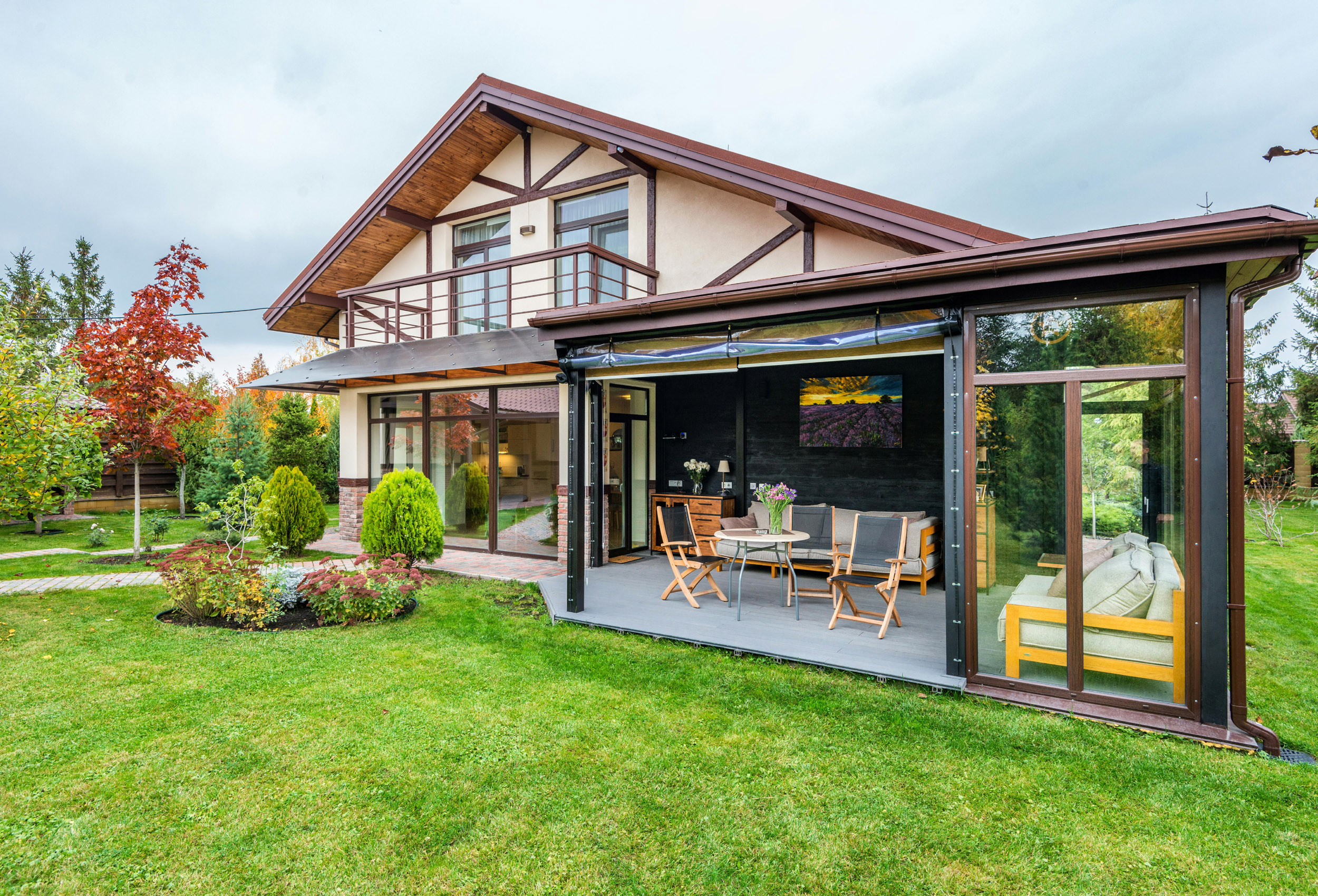
Moving house involves significant expenses, from stamp duty to solicitor fees. Because of this, many homeowners choose to improve their current properties instead. Building extensions Hampshire allows you to create additional living space without abandoning your preferred neighbourhood. Whether you require a larger kitchen or an extra bedroom, extending your home demands careful preparation and an understanding of local requirements. This guide will walk you through the essential phases of extending your house.
Extending Your Home in Hampshire: A Comprehensive Guide
As a homeowner in Hampshire, you may be looking to expand your living space without having to move to a new location. Building an extension is a popular and cost-effective solution that allows you to stay in the neighbourhood you love while creating additional room for your growing family or changing needs.
Before embarking on an extension project, it is important to understand the process involved and the key considerations for extending your home in Hampshire. In this guide, we will take you through the essential phases of building an extension, from planning and design to construction and completion.
Planning Your Hampshire Home Extension
The initial phase of your project involves establishing exactly what you want to achieve. Look at the existing layout of your property and identify the functional problems you experience daily. Perhaps your growing family requires a second bathroom, or your transition to remote working necessitates a dedicated office space. Hampshire features a diverse mix of housing, ranging from period cottages in rural villages to modern estates in urban centres like Southampton and Winchester. Your design should respect the existing architectural character of your street. Hiring an architect familiar with the local area will help you translate your spatial requirements into a structural reality that fits the surrounding environment perfectly.
Regulations and Permissions for Extensions
Gaining the appropriate legal approvals stands as a critical checkpoint in your property development journey. Many smaller additions fall under Permitted Development rights, meaning you do not need formal planning permission. However, if your property resides within a National Park, a conservation area, or is a listed building, stricter rules apply. You must submit detailed plans to your local Hampshire council for approval. Furthermore, all building work must comply with UK Building Regulations, which govern structural integrity, fire safety, and energy efficiency. Failing to secure these approvals can result in costly fines or an order to demolish the newly built structure.
Choosing a Builder for Your Extension
The success of your project rests heavily on the professionals you hire to complete the physical work. You should seek out contractors who possess a strong track record of constructing extensions in your specific part of Hampshire. Ask for references from past clients and arrange visits to view their completed projects firsthand. Speaking directly with previous customers reveals how the builder handles delays, communicates problems, and maintains tidiness on site. Request comprehensive, written quotations from at least three different companies. A trustworthy builder will provide a clear breakdown of costs, covering labour, materials, and waste disposal.
Cost Considerations for Home Extensions in Hampshire
Financial planning forms the backbone of any construction project. The total price of building extensions in Hampshire varies drastically based on the size of the addition, the quality of finishes you select, and the difficulty of the groundworks. Labour and material costs fluctuate, so you must establish a realistic budget early in the process. Ask your architect and builder to factor in potential hidden expenses, such as upgrading your boiler to heat the new space or moving underground drainage pipes. Always set aside a contingency fund of ten to fifteen percent of the overall budget to cover unexpected problems that arise once the digging starts.
Taking the Next Steps With Your Property Expansion
Improving your home through a well-planned addition provides long-term functional benefits and often increases the market value of the property. By researching local regulations, setting a firm budget, and hiring reliable professionals, you take control of the entire process. Start by sketching out your basic ideas and reaching out to a local architect to discuss what is possible for your specific plot. With a logical approach, you can transform your current house into a space that serves your family for decades to come.
As you embark on the journey of adding an addition to your property, it is important to keep in mind that this is a long-term investment. Not only will it benefit you and your family’s daily lives, but it can also increase the overall market value of your property.
To ensure a successful addition, it is crucial to thoroughly research local regulations before beginning any construction work. This includes obtaining necessary permits and understanding zoning laws. Failure to comply with these regulations can result in costly fines or even having to tear down the addition altogether.
Comments are closed