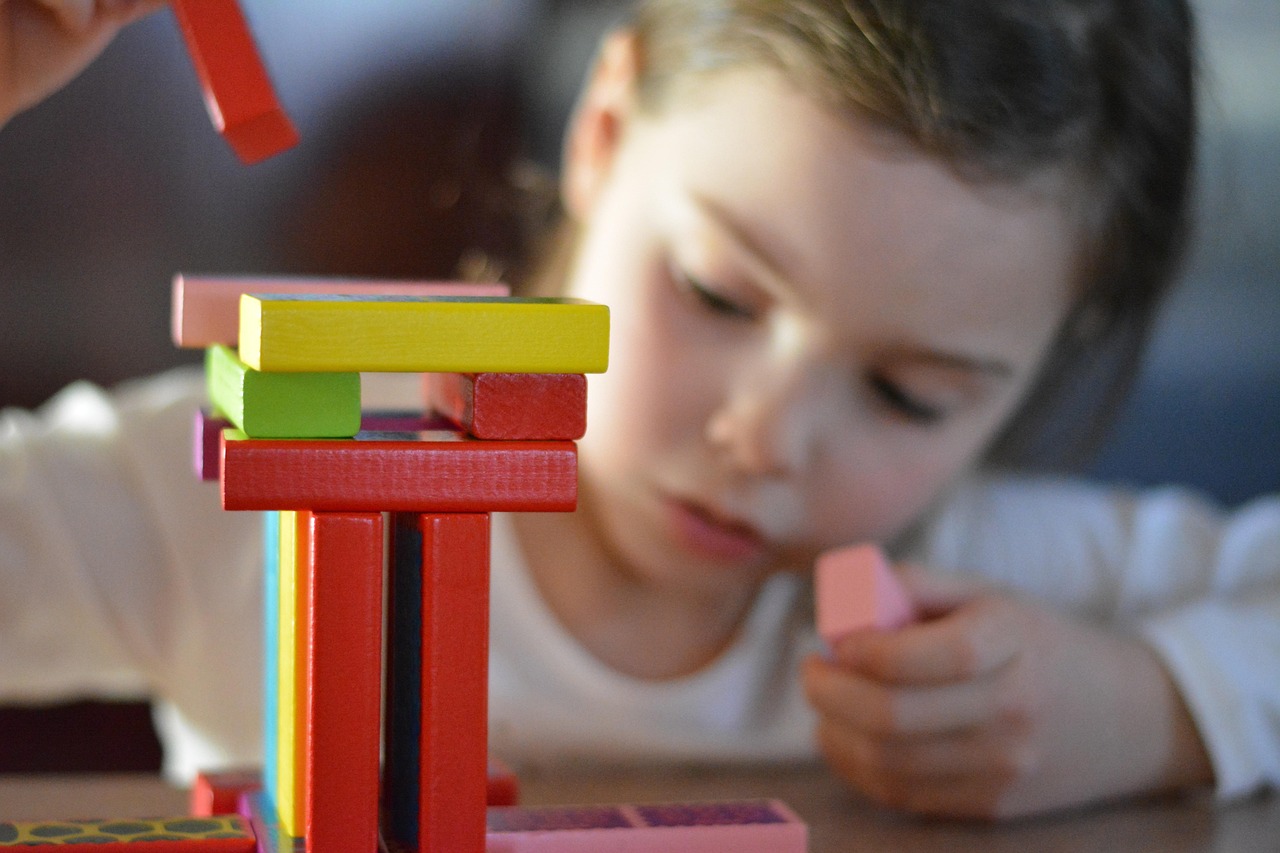
Children learn best when they are fully engaged in an activity. Play based learning provides a structured yet flexible framework where children explore concepts through self-directed play. You might wonder how building blocks or imaginative games translate to academic success. Research consistently shows that child-led exploration builds foundational neural pathways. By allowing children to interact freely with their environment, educators and parents create meaningful educational experiences. This method moves away from rote memorisation and focuses on authentic discovery.
Benefits for Children’s Development
Engaging in purposeful play directly impacts cognitive, social, and emotional growth. When children participate in group games, they naturally practise sharing, negotiation, and conflict resolution. These social interactions form the basis of emotional intelligence. On a cognitive level, problem-solving activities like puzzles or sand construction require spatial awareness and critical thinking. Physical development also benefits heavily from active play. Fine motor skills improve through drawing or handling small objects. Gross motor skills strengthen during physical activities like running or climbing. By addressing all areas of development simultaneously, play acts as a comprehensive educational tool.
Integrating Play into Education
Modern classrooms increasingly recognise the value of active exploration. Teachers structure the physical environment to prompt curiosity without dictating exact outcomes. For example, a classroom might feature specific zones for dramatic play, sensory exploration, and reading. Educators observe the children’s choices and gently introduce new vocabulary or concepts related to the chosen activity. If a child builds a tower, the teacher might ask questions about balance or count the blocks alongside them. This approach blends academic goals with natural child interests. The curriculum remains flexible, adapting to the specific fascinations of the classroom on any given day.
Practical Tips for Parents and Educators
You can easily apply these principles at home or in the classroom. Start by providing open-ended materials. Items like cardboard boxes, wooden blocks, and art supplies offer infinite possibilities compared to single-use plastic toys. These loose parts encourage children to use their imagination extensively. Next, give children uninterrupted time to immerse themselves in their activities. Constant adult intervention breaks their concentration and limits independent problem-solving.
As an adult, your role is to act as a facilitator rather than a director. Join the play when invited, but follow the child’s lead. Ask open-ended questions that provoke thought, such as asking what might happen if they change a piece of their structure. Create an environment that feels safe for trial and error. Mistakes should be framed as valuable learning opportunities rather than failures. Finally, rotate toys and materials regularly to maintain interest and provoke new ways of thinking. A cluttered space can overwhelm a child, so displaying a few well-chosen items works best.
Outdoor environments offer excellent opportunities for sensory exploration and physical risk-taking. Nature provides irregular surfaces and varied textures that challenge a child’s balance and coordination. Encourage time outside where children can invent games using sticks, leaves, and mud. This connection with nature reduces stress and increases physical stamina while supporting creative thinking.
Shaping the Future Through Meaningful Play
Supporting children as they navigate their developmental milestones requires a combination of patience and the creation of a supportive, enriching environment. Play-based learning stands out as a highly effective and natural pathway for children to explore and understand the world around them. By placing trust in their innate curiosity and allowing them the freedom to explore, you are actively helping them build the foundational confidence required for a lifetime of learning and discovery.
Take a moment this week to consciously observe how the children in your life interact with simple, open-ended materials. You will likely be surprised to see complex problem-solving and critical thinking unfolding right in front of you. By starting to integrate these simple, mindful changes into your daily interactions today, you can create a space where their engagement and creativity can truly flourish.
Comments are closed